
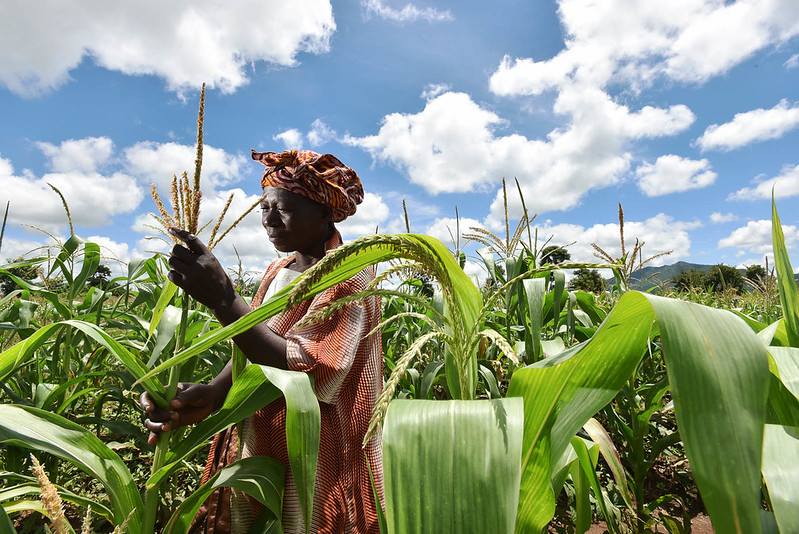
Technology is revolutionizing farming, making it more efficient, sustainable, and productive. Here’s a comprehensive guide to how tech is transforming agriculture:
Precision Agriculture
- GPS Technology: Enables farmers to map their fields and plan planting patterns with high precision, reducing waste and optimizing field usage.
- Drones and Satellite Imagery: Provide real-time data on crop health, soil conditions, and pest infestations, allowing for timely interventions.
- Soil Sensors: Monitor soil moisture, temperature, and nutrient levels to help farmers manage irrigation and fertilization more effectively.
Automation and Robotics
- Autonomous Tractors and Machinery: Perform tasks such as plowing, planting, and harvesting with minimal human intervention, increasing efficiency.
- Robotic Harvesters: Use machine vision and AI to identify and pick ripe fruits and vegetables, reducing labor costs and improving yield.
- Automated Weeding Machines: Use lasers and mechanical tools to remove weeds without damaging crops or relying on herbicides.
Biotechnology
- Genetically Modified Organisms (GMOs): Crops engineered for higher yields, pest resistance, and improved nutritional content.
- CRISPR and Gene Editing: Advanced techniques for precisely modifying plant genomes to enhance desirable traits and eliminate undesirable ones.
- Synthetic Biology: Developing new biological systems and synthetic organisms for agricultural purposes, such as biofertilizers and biopesticides.
Internet of Things (IoT)
- Smart Sensors: Networked sensors provide real-time data on environmental conditions, equipment performance, and livestock health.
- IoT Platforms: Integrate data from various sources to provide farmers with actionable insights and automated alerts.
- Remote Monitoring: Enables farmers to manage their operations from anywhere, using smartphones or computers.
Data Analytics and Artificial Intelligence (AI)
- Big Data Analytics: Analyze large volumes of data to identify patterns and make predictive models for crop yields, weather forecasts, and market trends.
- AI Algorithms: Optimize planting schedules, irrigation, fertilization, and pest control based on real-time data and historical trends.
- Decision Support Systems (DSS): Provide recommendations and insights to help farmers make informed decisions about their operations.
Climate-Smart Agriculture
- Climate Modeling: Predict weather patterns and climate change impacts to help farmers plan and adapt their practices.
- Water Management Technologies: Efficient irrigation systems, such as drip irrigation and rainwater harvesting, reduce water usage and improve crop resilience.
- Carbon Sequestration: Techniques such as cover cropping and no-till farming help capture carbon in the soil, reducing greenhouse gas emissions.
Supply Chain Management
- Blockchain Technology: Ensures transparency and traceability in the food supply chain, from farm to table.
- Smart Contracts: Automate transactions and agreements between farmers, suppliers, and buyers, reducing the need for intermediaries.
- Logistics Optimization: Advanced software for managing transportation and storage to minimize waste and improve efficiency.
Renewable Energy
- Solar and Wind Power: Provide sustainable energy for farming operations, reducing reliance on fossil fuels.
- Bioenergy: Use agricultural waste to produce biofuels and biogas, creating a closed-loop system.
- Energy-Efficient Equipment: Modern machinery designed to use less energy and reduce greenhouse gas emissions.
Vertical and Urban Farming
- Hydroponics and Aeroponics: Grow plants without soil, using nutrient-rich water or mist, suitable for urban environments.
- Vertical Farming: Stack crops in controlled indoor environments, maximizing space usage and enabling year-round production.
- Controlled Environment Agriculture (CEA): Use artificial lighting, climate control, and automation to optimize growing conditions.
Financial Technologies (FinTech)
- Digital Payments and Mobile Banking: Provide farmers with easier access to financial services, including loans, insurance, and subsidies.
- Crowdfunding Platforms: Enable farmers to raise capital directly from investors and consumers.
- Agricultural Insurance: Tech-driven insurance models that use data to provide affordable and tailored coverage for farmers.
Education and Training
- Online Learning Platforms: Provide access to agricultural education and training resources for farmers.
- Virtual Reality (VR) and Augmented Reality (AR): Offer immersive training experiences for farmers to learn new techniques and technologies.
- Extension Services: Use mobile apps and digital platforms to deliver expert advice and support to farmers in remote areas.
Challenges and Considerations
- Digital Divide: Ensure that smallholder and rural farmers have access to technology and the skills to use it effectively.
- Data Privacy and Security: Protect farmers’ data from breaches and misuse.
- Sustainability: Balance technological advancements with sustainable practices to protect the environment.
Future Trends
- Smart Farming: Integration of AI, IoT, and robotics to create fully automated and optimized farms.
- Personalized Agriculture: Tailoring farming practices to individual plots and even individual plants for maximum efficiency.
- Global Collaboration: Sharing knowledge and technology across borders to address global food security challenges.
By embracing these technologies, farmers can increase productivity, reduce environmental impact, and enhance food security, making tech and farming a powerful combination for the future.

Agro-business, also known as agribusiness, is increasingly recognized as a key sector for future economic growth and sustainability. Here are several reasons why agro-business is seen as the future:
Population Growth and Food Demand
- Increasing Population: The global population is projected to reach nearly 10 billion by 2050, driving up the demand for food.
- Urbanization: As more people move to urban areas, the need for efficient food production and supply chains becomes critical.
Technological Advancements
- Precision Agriculture: Technologies such as GPS, drones, and IoT devices are making farming more efficient and productive.
- Genetic Engineering: Advances in biotechnology are leading to the development of crops that are more resistant to pests, diseases, and climate change.
- Automation: Robotics and automation are reducing labor costs and increasing productivity in farming.
Sustainable Practices
- Environmental Sustainability: Agro-businesses are adopting sustainable practices to reduce their environmental impact and ensure long-term viability.
- Resource Management: Efficient use of water, soil, and other natural resources is becoming a priority, driven by both regulation and market demand.
Economic Opportunities
- Job Creation: Agro-businesses create jobs in farming, processing, distribution, and retail.
- Rural Development: Investing in agro-business can lead to the development of rural areas, improving infrastructure and living standards.
- Value Addition: Processing agricultural products adds value and creates additional revenue streams.
Food Security and Safety
- Food Security: Ensuring a stable and sufficient food supply is critical for national security and stability.
- Food Safety: Agro-businesses are increasingly focused on maintaining high standards of food safety to protect consumer health and meet regulatory requirements.
Global Trade
- Export Potential: Many countries rely on agro-business as a major source of export revenue.
- Market Access: Advances in transportation and logistics are opening up new markets for agricultural products.
Innovation and Entrepreneurship
- Agri-Tech Startups: There is a growing number of startups focused on innovative solutions for agriculture, attracting investment and driving technological progress.
- Entrepreneurial Opportunities: Agro-business offers numerous opportunities for entrepreneurs to develop new products, services, and business models.
Climate Change Adaptation
- Resilient Crops: Developing crops that can withstand extreme weather conditions is essential for adapting to climate change.
- Sustainable Practices: Agro-businesses are at the forefront of adopting practices that mitigate the effects of climate change.
Government Support
- Policies and Incentives: Many governments are offering subsidies, grants, and other incentives to support the growth of the agro-business sector.
- Research and Development: Public funding for agricultural research is driving innovation and improving productivity.
Consumer Trends
- Health and Nutrition: Consumers are increasingly aware of the health benefits of fresh and organic foods, driving demand for high-quality agricultural products.
- Sustainable Sourcing: There is a growing demand for sustainably sourced and ethically produced products.
Digital Transformation
- E-Commerce: Online platforms are providing new channels for marketing and selling agricultural products directly to consumers.
- Data Analytics: Big data and analytics are helping farmers make better decisions, optimize production, and reduce waste.
By leveraging these factors, agro-businesses are well-positioned to meet the challenges of the future, ensuring food security, economic growth, and environmental sustainability.

Choosing an agro-business involves several considerations to ensure sustainability, profitability, and growth. Here are some key factors to keep in mind:
Market Research
- Demand and Supply Analysis: Understand the demand for your product locally and globally. Assess the supply chain and identify gaps you can fill.
- Target Market: Identify your target customers. This could include individual consumers, retailers, wholesalers, or export markets.
- Competitor Analysis: Analyze your competitors’ strengths and weaknesses. Learn from their strategies and identify opportunities for differentiation.
Business Plan
- Clear Objectives: Define your business goals, including short-term and long-term objectives.
- Financial Planning: Prepare a detailed financial plan, including initial investment, operating costs, revenue projections, and break-even analysis.
- Risk Management: Identify potential risks (e.g., weather, pests, market fluctuations) and develop mitigation strategies.
Location and Land
- Soil and Climate Suitability: Choose a location with suitable soil and climate for your chosen crops or livestock.
- Land Availability and Cost: Consider the cost of land and its availability. Ensure the land is fertile and has access to water and other resources.
- Infrastructure: Ensure good access to infrastructure such as roads, storage facilities, and market access.
Legal and Regulatory Compliance
- Permits and Licenses: Obtain all necessary permits and licenses for operating an agro-business.
- Environmental Regulations: Comply with environmental regulations to avoid legal issues and promote sustainable practices.
- Subsidies and Grants: Explore available subsidies, grants, and incentives provided by the government for agro-businesses.
Technology and Innovation
- Modern Techniques: Adopt modern farming techniques and technology to improve productivity and efficiency.
- Sustainable Practices: Implement sustainable farming practices to ensure long-term viability and reduce environmental impact.
- Research and Development: Invest in research and development to innovate and improve your products and processes.
Labor and Skills
- Skilled Workforce: Hire skilled labor or provide training to ensure your workforce is knowledgeable and efficient.
- Labor Costs: Consider labor costs and ensure they fit within your budget.
- Community Relations: Build good relationships with the local community, which can provide a reliable labor force and support your business.
Financial Management
- Investment and Funding: Secure adequate funding for your business through savings, loans, investors, or grants.
- Cost Control: Monitor and control costs to maintain profitability.
- Cash Flow Management: Ensure proper cash flow management to meet operational expenses and investments.
Marketing and Sales
- Branding: Develop a strong brand to differentiate your products.
- Distribution Channels: Identify and establish reliable distribution channels to reach your customers.
- Marketing Strategy: Implement effective marketing strategies, including digital marketing, to promote your products.
Sustainability and Social Responsibility
- Environmental Impact: Minimize the environmental impact of your operations.
- Community Engagement: Engage with and support the local community.
- Ethical Practices: Adhere to ethical practices in all aspects of your business.
By considering these factors, you can make informed decisions and increase the likelihood of success in your agro-business venture.